
Curious about the magic behind those dazzling LED displays? You’ve come to the right place. Let’s uncover the secrets of how these vibrant lights work and the impact they have on various industries LED panel.
Get ready to dive into the world of LED technology and discover the innovation that’s lighting up our lives.
Evolution of LED Technology
Over the past few decades, you’ve witnessed remarkable advancements in LED technology. From the early days of bulky, energy-inefficient LED displays to the sleek, vibrant screens adorning your living spaces today, the evolution has been nothing short of revolutionary. Gone are the days when LEDs were limited to simple indicator lights; now, they illuminate your world in ways once thought impossible.
With each breakthrough, you’ve experienced newfound freedoms. The freedom to immerse yourself in stunning visuals, the freedom to express your creativity through customizable lighting schemes, and the freedom to enjoy energy-efficient solutions that not only save you money but also reduce your environmental footprint. LED technology has empowered you to take control of your lighting experience like never before.
As you look back on the journey of LED evolution, you realize that the future holds even greater promise. With ongoing research and innovation driving the industry forward, the possibilities are endless. So embrace the freedom that LED technology offers, and get ready to be dazzled by what comes next.
Components of LED Displays
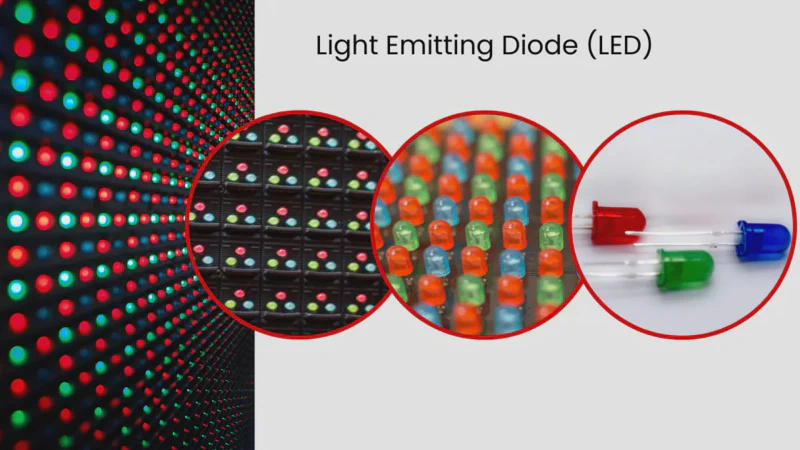
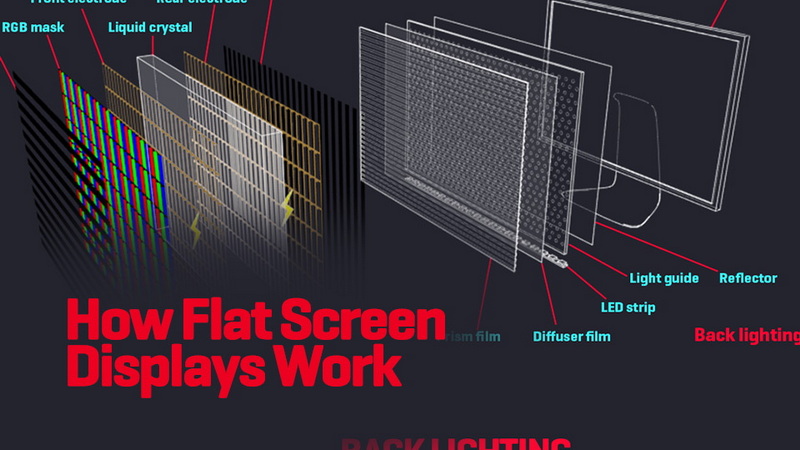
Explore the essential components that make up LED displays and how they work together to create vibrant visuals. The key components include light-emitting diodes (LEDs), which are the light source of the display. These LEDs are arranged in clusters or grids to form the pixels that compose the images you see. Behind the scenes, there’s a driver or controller that manages the LEDs, ensuring they light up at the right time and brightness to produce the desired display. Additionally, there’s a power supply unit that provides the necessary electricity to illuminate the LEDs.
To control what’s shown on the LED display, there’s a processor or microcontroller that interprets the input signals and translates them into visual output. This enables you to see videos, images, or text on the screen. Lastly, there’s a cooling system to dissipate the heat generated by the LEDs to maintain optimal performance. Together, these components work seamlessly to deliver stunning visuals that captivate your audience.
How LED Displays Produce Colors
To fully understand how LED displays produce colors, you need to grasp the crucial role played by the combination of red, green, and blue light emitted by the individual LEDs. Each pixel on an LED display consists of these three primary colors, also known as RGB. By varying the intensity of each color, a wide spectrum of hues can be created. When red, green, and blue light are mixed at different levels, they blend together to form millions of different colors visible on the screen.
The magic of color mixing happens due to the properties of light. Red, green, and blue light are additive colors, meaning they produce different colors when combined. This additive color mixing is what allows LED displays to create vibrant and lifelike images. By controlling the intensity of each LED, millions of colors can be achieved, providing viewers with stunning visuals and captivating displays that bring images and videos to life.
Advantages of LED Technology
You benefit from the efficiency of LED technology through its ability to provide vibrant and lifelike visuals with millions of colors. LED displays consume less energy than traditional lighting, making them more cost-effective and environmentally friendly. This efficiency translates into savings for you and a reduced carbon footprint, giving you the freedom to enjoy stunning displays guilt-free.
LED technology offers superior durability compared to other display options. LEDs are solid-state devices, meaning they’re less prone to damage from external factors like vibrations, making them ideal for various applications. With LED displays, you can experience the freedom of worry-free usage, knowing that your display will last longer and require less maintenance.
Additionally, LED technology provides you with enhanced versatility in design. LED displays can be made in various shapes and sizes, allowing for creative freedom in creating unique visual experiences. Whether you need a large outdoor display or a small indoor screen, LED technology can cater to your specific needs, giving you the freedom to customize your visual displays to suit any environment.
Impact of LED Displays on Industries
In various industries, LED displays have revolutionized marketing strategies by increasing engagement and brand visibility. These displays grab attention with vibrant colors and dynamic content, making them ideal for advertising in retail settings. Retailers use LED displays to showcase products, promotions, and create immersive experiences that draw customers in.
Beyond retail, LED displays are transforming the entertainment industry by enhancing stage productions, concerts, and sporting events. The high brightness and clarity of LED screens make them perfect for large venues, captivating audiences and creating memorable experiences.
Additionally, in the transportation sector, LED displays provide real-time information to passengers, improving communication and enhancing overall travel experiences. From airports to train stations, LED displays are streamlining operations and keeping travelers informed.
Conclusion
So, now you know how LED displays work. From the evolution of LED technology to the components that make it all possible, you have a better understanding of the magic behind the bright lights.
With their ability to produce vibrant colors and energy-efficient design, LED displays have revolutionized industries across the board. The future looks bright with LED technology leading the way for more innovative and dynamic visual experiences.


